5 Advanced Web Design Trends in 2026
Web design is constantly evolving, and staying updated with the latest trends is essential to keep your website modern, engaging, and competitive. As user expectations grow and technology advances, businesses must adopt innovative design approaches to stand out in the crowded digital space. A well-designed website not only attracts visitors but also improves user experience, boosts conversions, and strengthens brand identity. Here are the top 5 web design trends in 2026 that are shaping the future of digital experiences.
1. AI-Powered Personalization
Artificial Intelligence is transforming how websites interact with users. In 2026, websites are becoming smarter by delivering personalized content based on user behavior, preferences, and browsing history. From dynamic product recommendations to customized landing pages, AI helps create a unique experience for each visitor. This not only increases engagement but also improves conversion rates. Businesses that leverage AI-driven design can better understand their audience and provide relevant solutions instantly.
2. Minimalist and Clean UI Design
Less is more continues to dominate web design trends. Minimalist design focuses on simplicity, clean layouts, and effective use of white space. In 2026, designers are prioritizing clarity and usability over cluttered visuals. Simple navigation, limited color palettes, and clear typography help users find information quickly without distractions. This approach enhances user experience and ensures faster loading speeds, which is crucial for SEO and performance.
3. Advanced Micro-Interactions and Animations
Micro-interactions are small animations that respond to user actions, such as hovering, clicking, or scrolling. In 2026, these elements are becoming more advanced and meaningful. They guide users, provide feedback, and make the browsing experience more interactive and enjoyable. Subtle animations, smooth transitions, and engaging hover effects can significantly improve user engagement while adding a modern touch to your website.
4. Dark Mode and Low-Light UX
Dark mode has become a standard feature in modern web design. In 2026, more websites are offering dark-themed interfaces to reduce eye strain and improve readability in low-light environments. Dark mode not only enhances visual comfort but also gives websites a sleek and premium look. Designers are combining dark backgrounds with vibrant accent colors to create visually appealing and futuristic designs.
5. Mobile-First and Performance-Driven Design
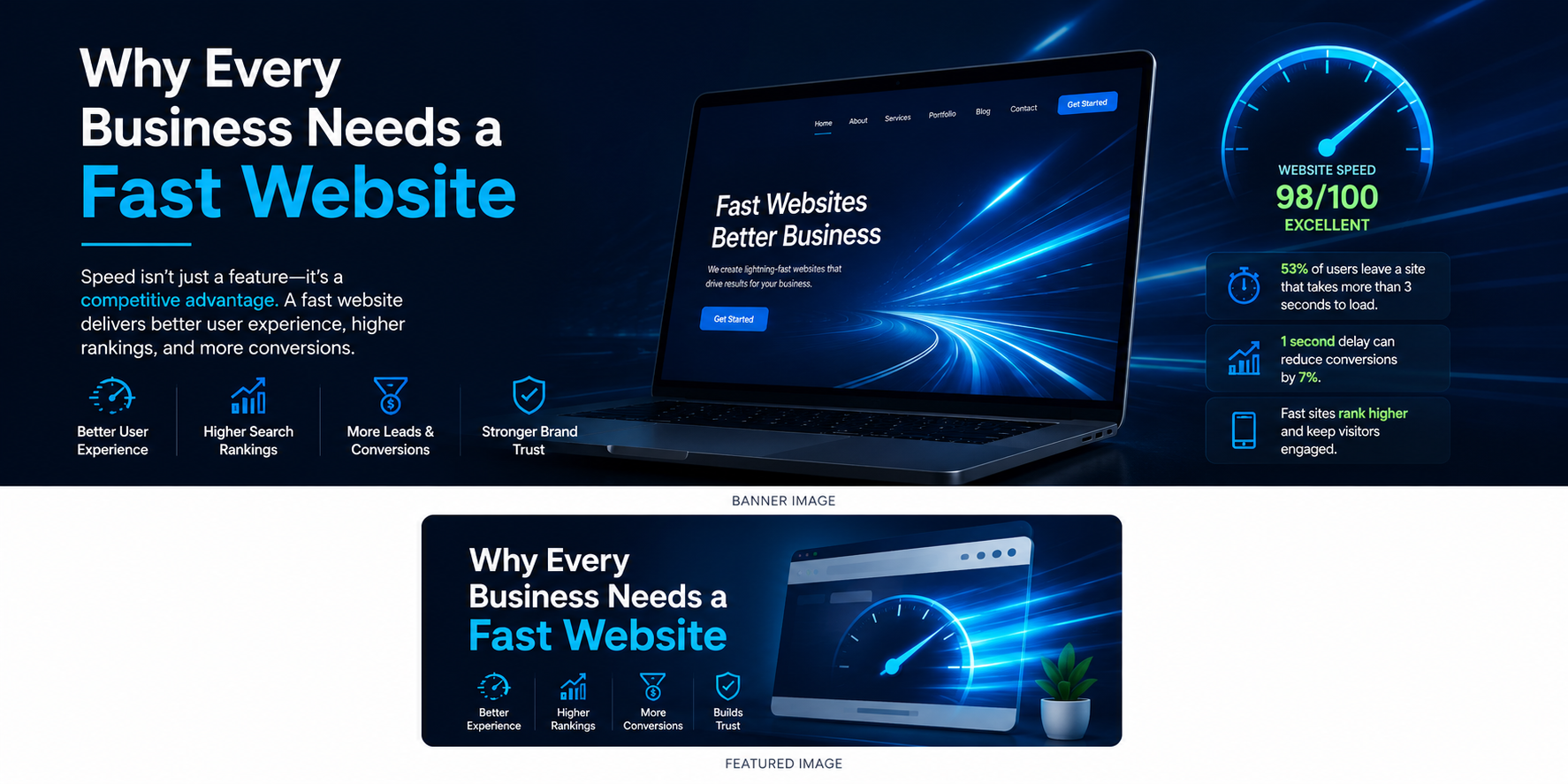
With the majority of users accessing websites through mobile devices, mobile-first design is no longer optional—it’s essential. In 2026, websites are being designed primarily for mobile screens and then adapted for larger devices. Fast loading speed, responsive layouts, and optimized images are key factors in delivering a seamless experience. Performance-driven design ensures that users stay longer on your website and reduces bounce rates, which positively impacts search engine rankings.
Conclusion
The future of web design is focused on user experience, speed, and personalization. By adopting these top trends—AI-powered personalization, minimalist design, micro-interactions, dark mode, and mobile-first development—you can create a website that not only looks modern but also performs exceptionally well. Staying updated with these trends